Baidu first discloses Apollo World: a world model as driverless examiner, and what developers should measure
Baidu first disclosed its world model Apollo World on November 3 at its AI Day Apollo special session in Shenzhen, proposing a "2+3" standard made up of causality, interactivity, physical accuracy, persistence and real-time performance. Baidu says it has been used in Apollo Go's global testing. This article separates reported facts from inference and offers conditional judgments on the simulation foundation, acceptance criteria and real-time budget.
What changed
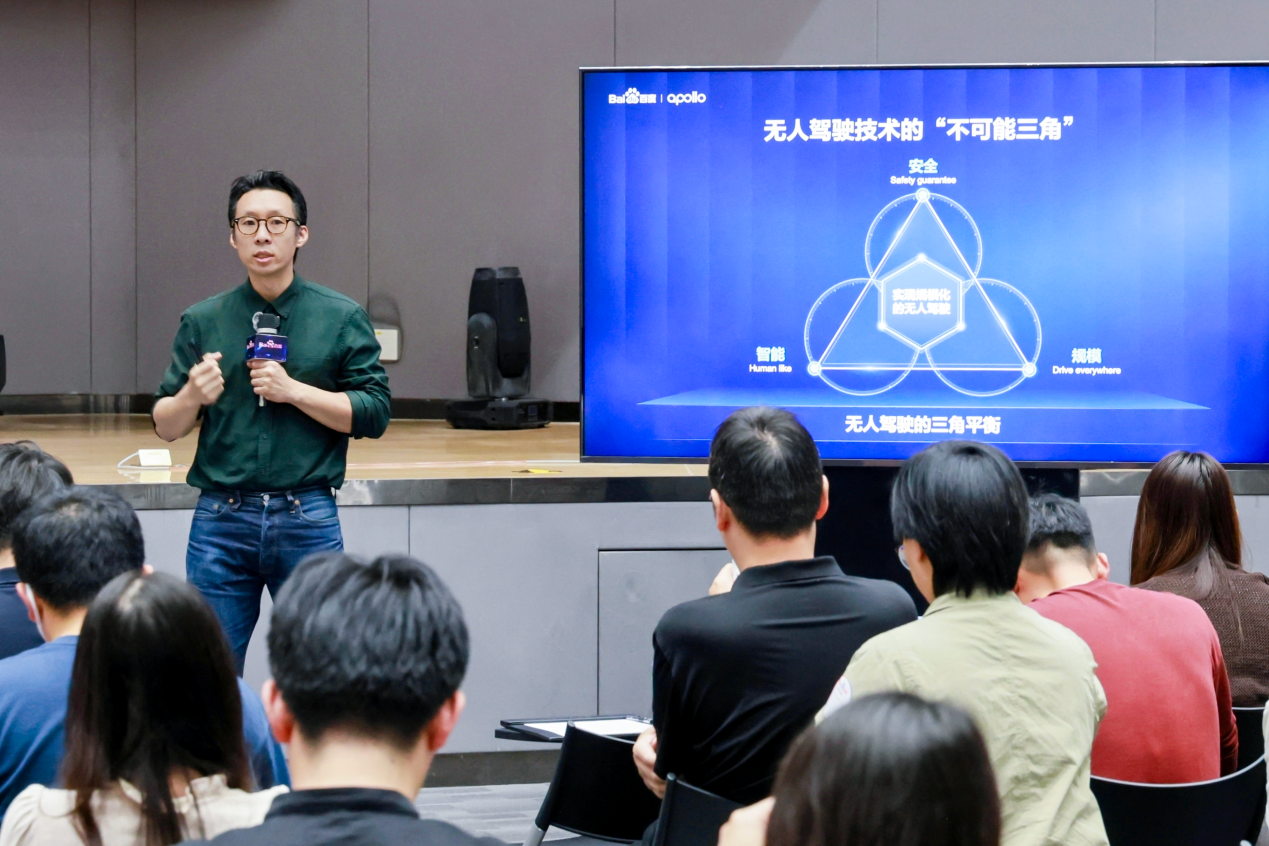
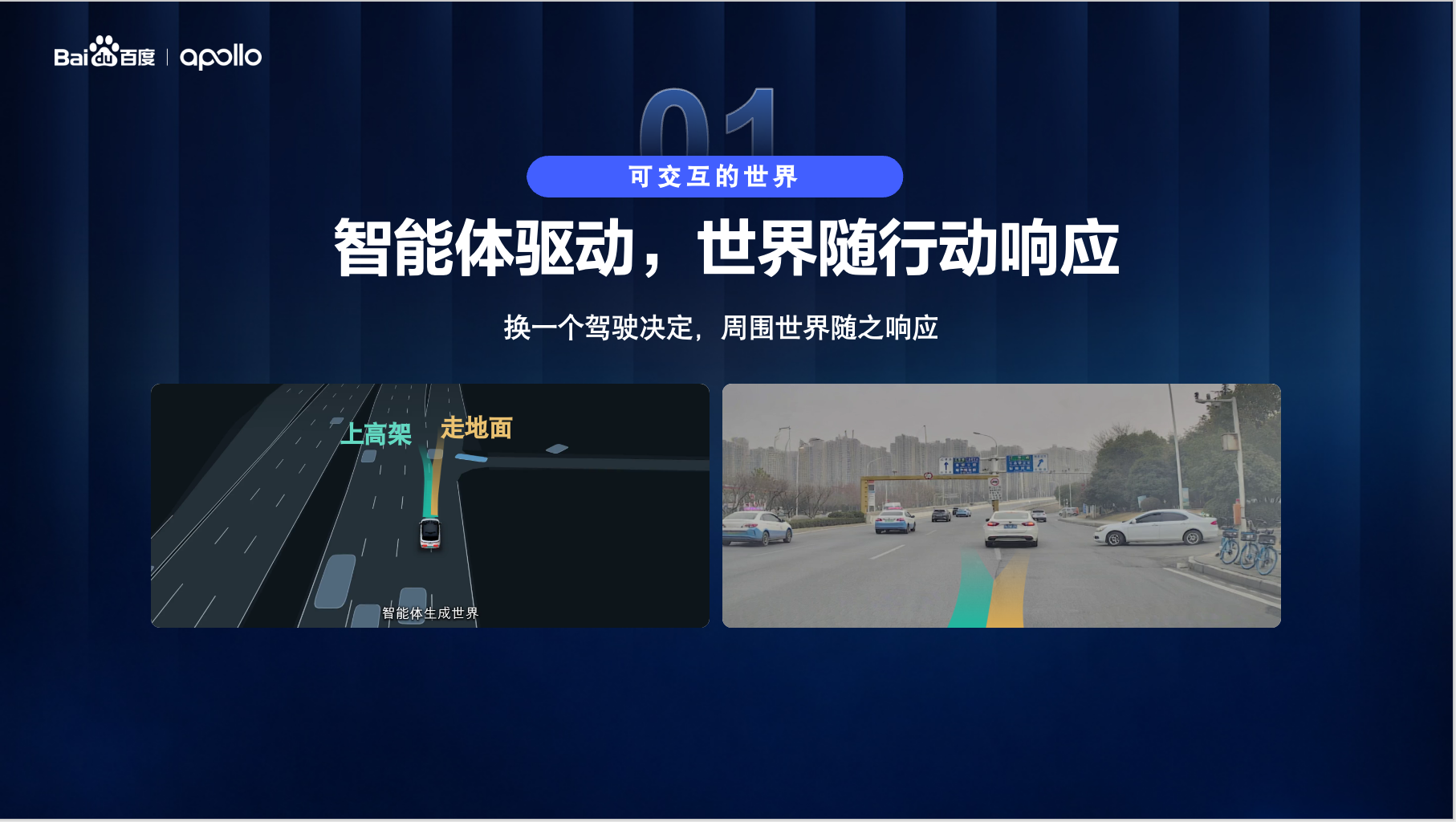
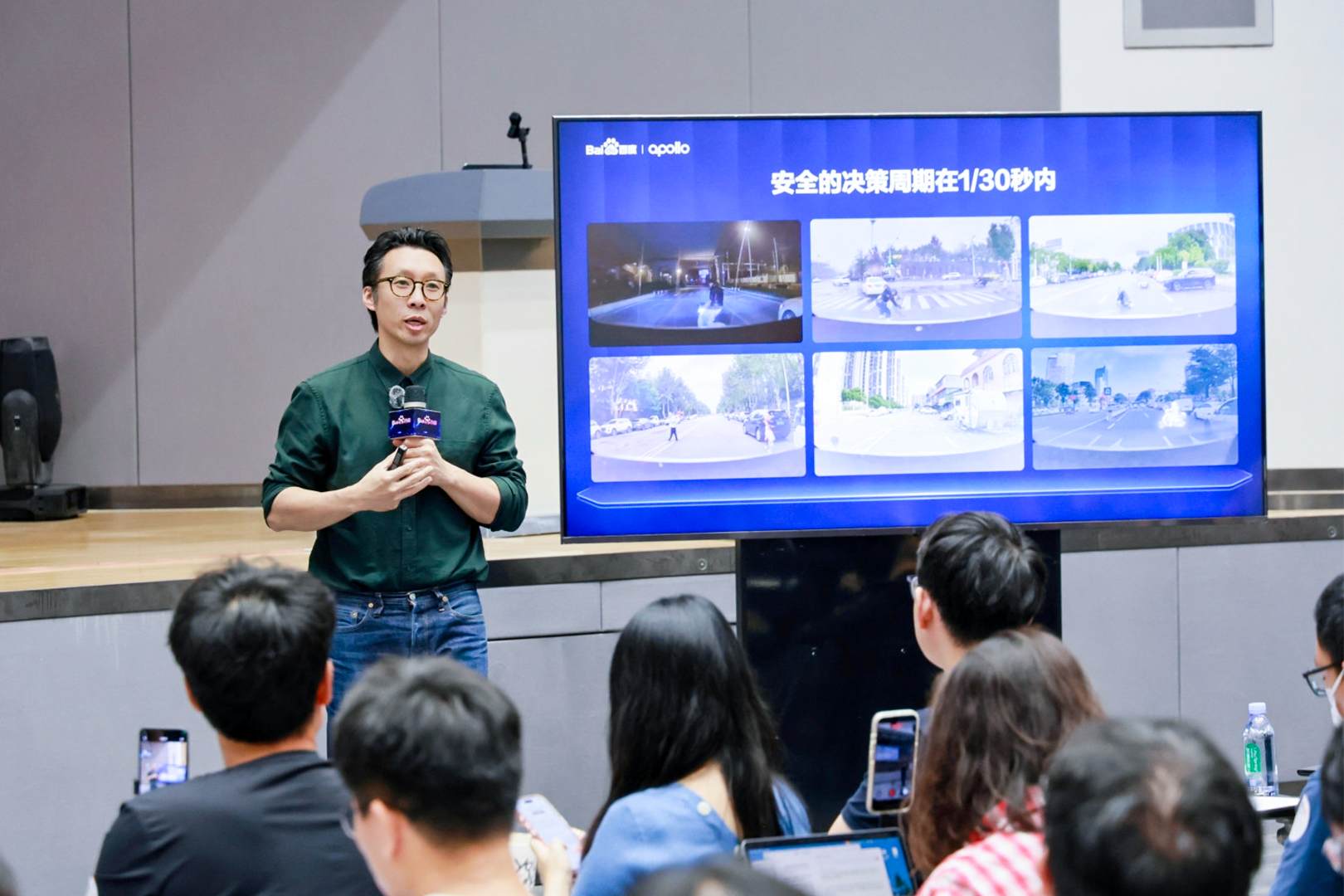
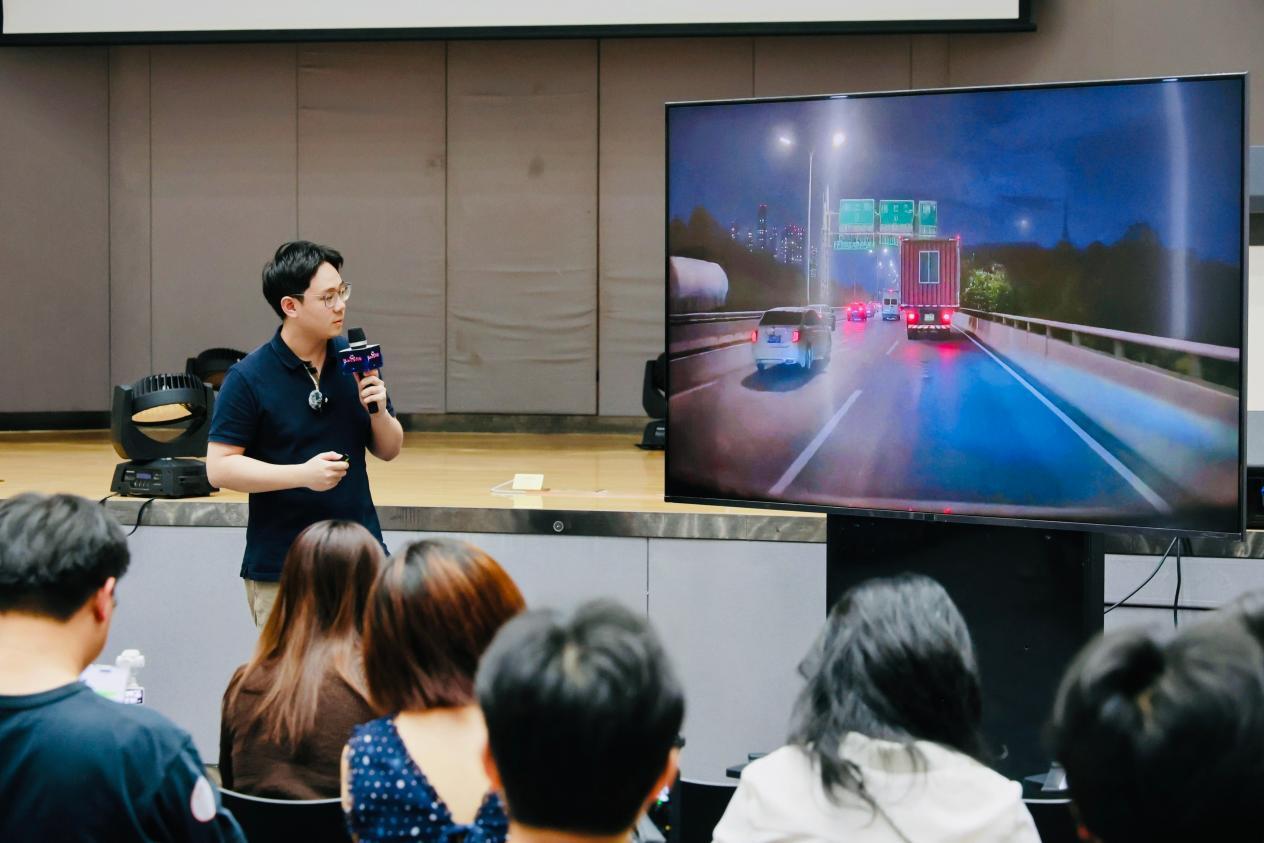
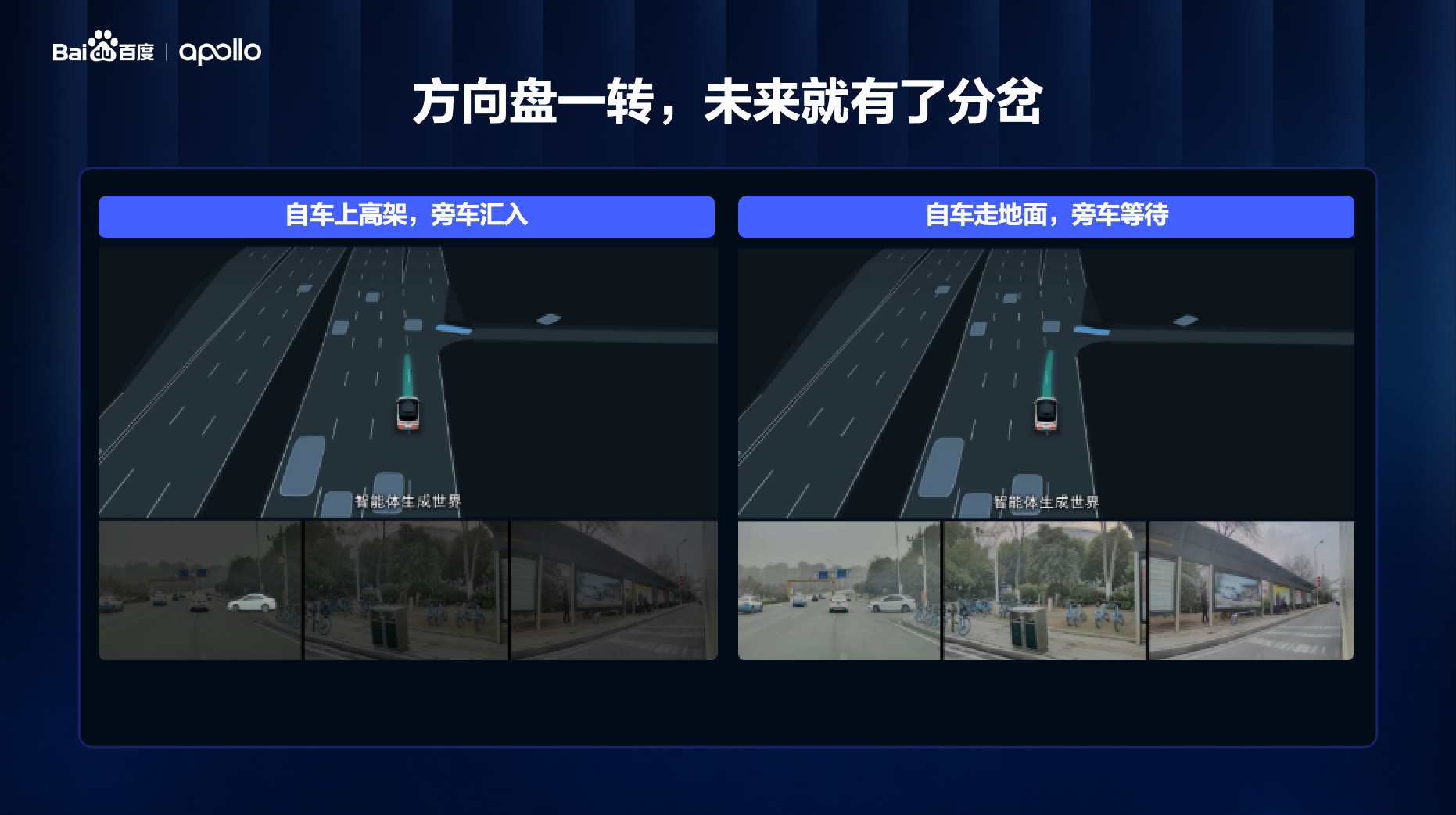
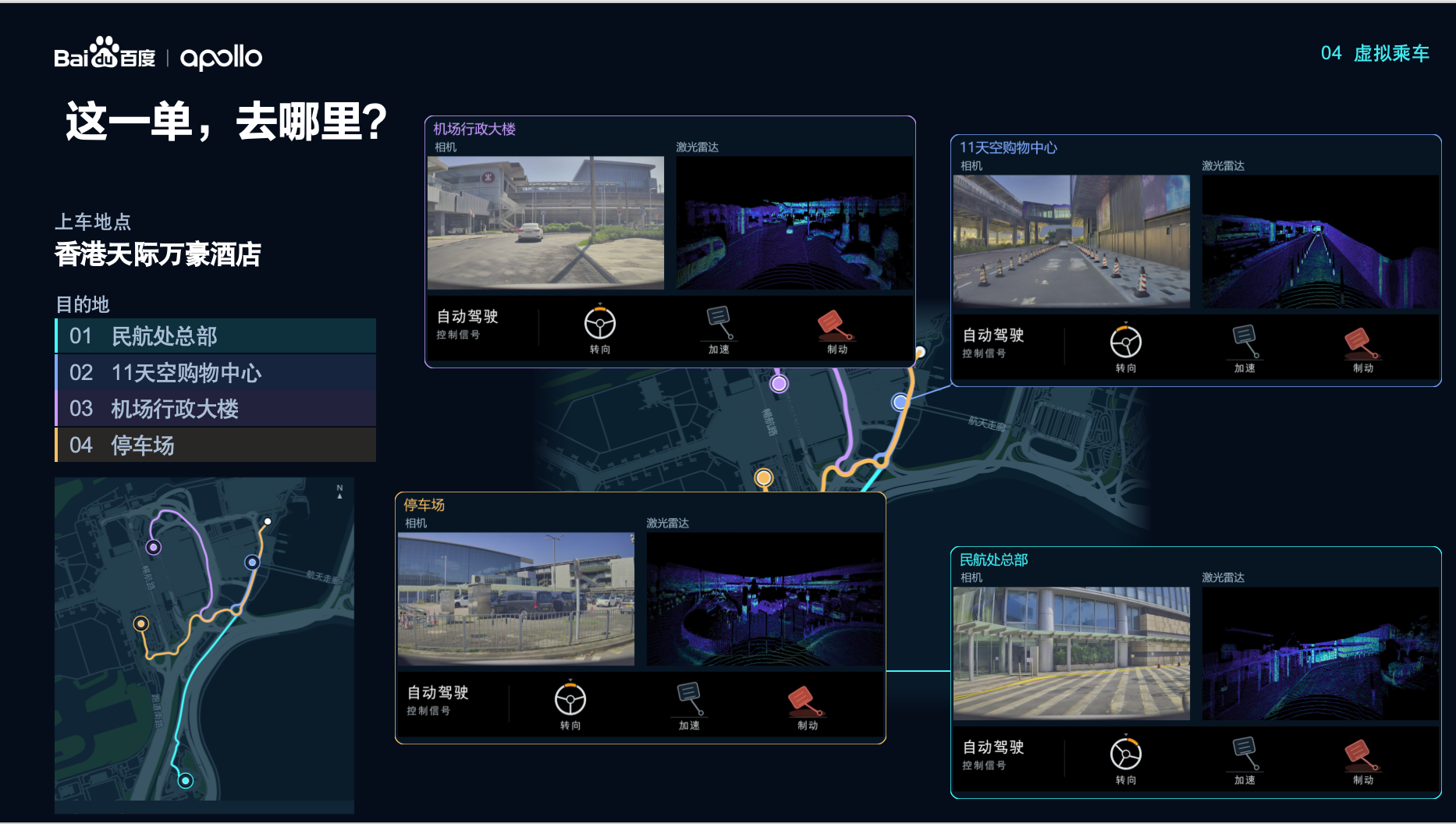
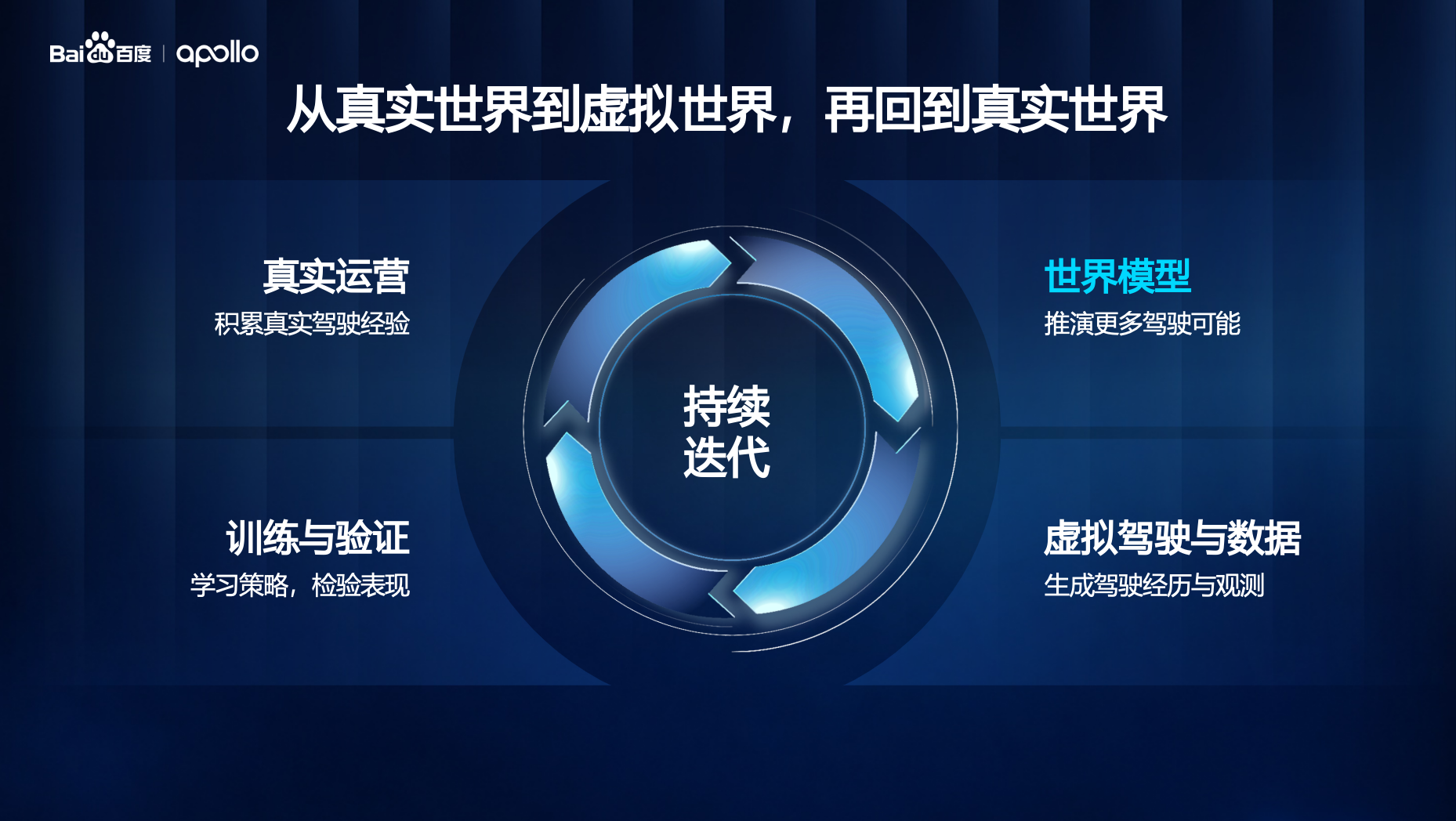
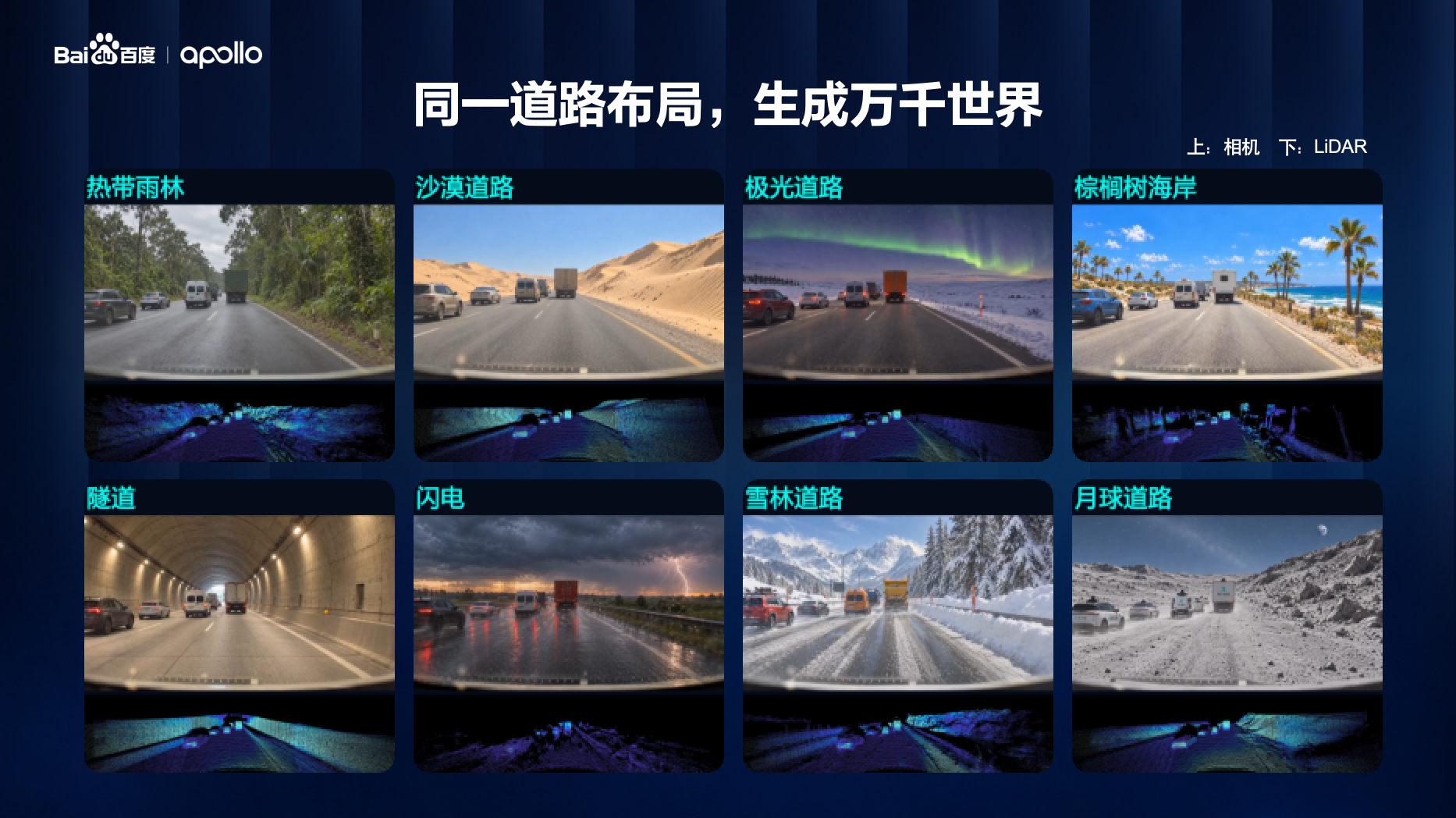
According to a report by InfoQ Chinese, Baidu first disclosed Apollo World, a world model for physical AI, at its AI Day Apollo special session in Shenzhen on November 3, and proposed a "2+3" set of criteria for judging world models. The "2" are two basic thresholds: causality, requiring the model to respect the one-way nature of time and derive the next moment from the current state rather than stitching together frames to infer the past; and interactivity, requiring externally injected actions to be able to change future world states. The "3" are three advanced metrics: physical accuracy; persistence over long runs, meaning whether objects and details drift; and real-time performance, meaning inference time does not rise as scene complexity increases. Wang Liang, chief architect at Baidu IDG, said a world model should not be just a "painter" that generates video but an "examiner" that validates driverless safety; the report mentions that the safety decision cycle on open roads must be limited to within 1/30 of a second. Yang Ze, head of Apollo World, said vehicles and pedestrians in the virtual city are all modeled as agents capable of decision-making and interaction, able to generate multimodal observations such as camera and lidar in real time for direct perception on the vehicle side, and able to support a complete trip loop between arbitrary origins and destinations, from accepting a ride request and carrying passengers to drop-off, rather than isolated scenario simulation. The report says the model has been used in Apollo Go's global testing and validation, and that its tech stack can also extend to robotics and other physical AI scenarios.
What it means for developers
For most developers, the actionable part of this news is not that "there is one more model to call," but that it breaks the world-model problem from a question of visual quality into measurable engineering questions. The report explicitly says Apollo World serves Baidu's own end-to-end driverless training and validation, and gives no public interface or weights, so in the near term it will not change anyone's API selection list. But the criteria it proposes are likely to feed into simulation and evaluation. If "inference time does not grow as complexity rises" is treated as a hard metric, there is a clear entry bar for whether a world model can enter closed-loop simulation. If "traffic participants are reactive agents" is accepted, evaluation based on log replay will expose coverage blind spots. For teams working on embodied AI, autonomous-driving simulation or synthetic-data pipelines, this breakdown can be borrowed directly as an internal review checklist. Conversely, metrics proposed by the party being evaluated naturally favor its strengths; physical accuracy and persistence are precisely the hardest to quantify, and copying the framework can easily produce an acceptance checklist that looks complete but in practice cannot distinguish differences.
Integration and evaluation
For the three reported changes, it is worth mapping each to a decision and writing the criteria down in advance. First, interactive participants: the report says other traffic participants have decision-making and interaction capabilities. The decision is whether the simulation foundation should be upgraded from log replay to interactive agents. The precondition is that your target failure modes themselves depend on game-like interactions (unprotected turns, merging, yielding) and that you already have a replay baseline for comparison. The criteria are to run both modes on the same batch of scenarios and compare collisions and near misses per 100 km, plus the share of cases where the ego vehicle is stalled for long periods or repeatedly probes. The upgrade holds only if the interactive mode exposes clearly more failures and the direction is consistent with real-vehicle takeover records. Second, the complete trip loop: the report emphasizes continuous tasks across road segments rather than isolated scenarios. The decision is whether acceptance should move from single-scenario pass rate to continuous-trip completion rate. The precondition is an end-to-end system where errors accumulate over time. The criteria are to measure completion rate and takeover counts in units of virtual trips of tens to hundreds of kilometers, and to split by road segment for regression to locate where errors begin to accumulate. If single-scenario scores rise while continuous-trip completion stays flat, the metric is not catching the real problem. Third, the real-time budget: the report lists "complexity growth does not affect inference time" as a metric. The decision is whether the world model goes into the closed loop or only does offline data augmentation. The precondition is closed-loop simulation and hardware-in-the-loop. The criteria are to measure p99 single-step latency as the number of agents and sensor modalities increases. Once it exceeds the decision-cycle budget, scene complexity must be limited or the model must fall back to offline; otherwise the closed-loop conclusions themselves are not credible. In addition, the report singles out long-run drift; it is worth setting a duration cap per rollout, plotting identity and geometric consistency of the same participants against simulated hours, and resetting once a threshold is exceeded. All of the above are conditional suggestions based on the report, not practices Baidu disclosed.
Limits and open questions
Apollo World is not currently in KimiSeek's model catalog, and the report does not mention a public API, open weights or any license terms. It is Baidu's internal training and validation facility, and any future availability of an external interface, its terms and billing would depend on Baidu. The report gives no quantitative results for the world model's fidelity, latency, drift or similar. The phrases "100,000 km per day" and "equivalent to about three years of continuous testing by a real road-test vehicle" are labeled as analysis by industry observers, not Baidu's measured figures; they are analogies, not measurements. On whether virtual mileage translates into real safety, the report offers only a vendor-side closed-loop account, with no independent sim-to-real validation data. The so-called "2+3" is a framework defined by the proponent, and using it as an acceptance sheet carries a risk of bias; physical accuracy and persistence lack operational thresholds. Statements such as "over one million kilometers of end-to-end fully driverless operation" and "China's only L4 running at scale with end-to-end technology" are company statements, and no third-party verification is provided. Expansion to robotics and other scenarios is described as the tech stack being "extensible," not as a demonstrated capability. The physical AI market-size forecast cited in the article comes from a third-party research institution and has no direct bearing on model capability.
Illustrations from the original report